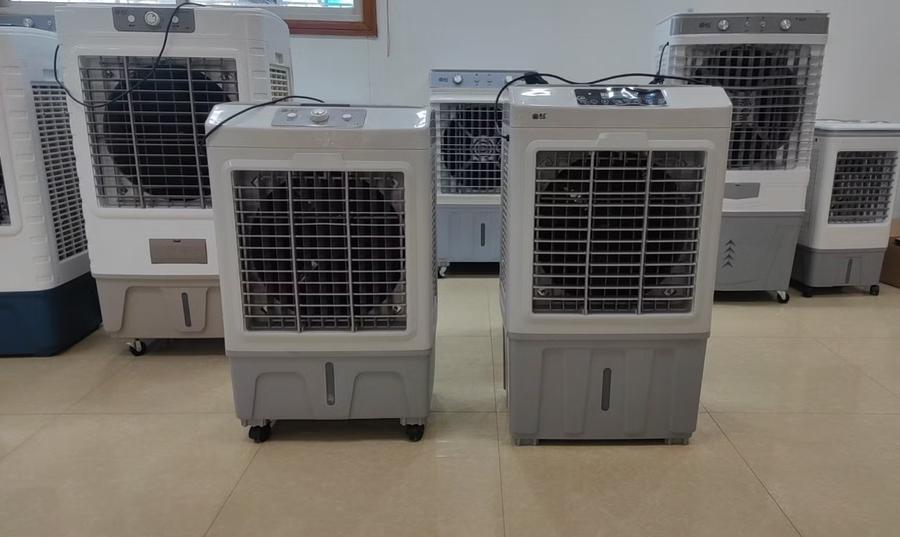
When the air temperature rises above 40°C, the cooling system ceases to be just a household convenience. It is becoming a critically important part of the living environment. In conditions of heat, dust and high humidity, the choice between a central air conditioning system and a split system directly affects comfort, energy consumption and even health, especially when evaluating the best heating and cooling system for long-term use.
Some prefer centralized cooling due to the uniform distribution of air. Others rely on local cooling and flexibility. But this choice hides much more complex processes: heat transfer, system load, microbiological contamination and operating costs.
Air Design And Distribution
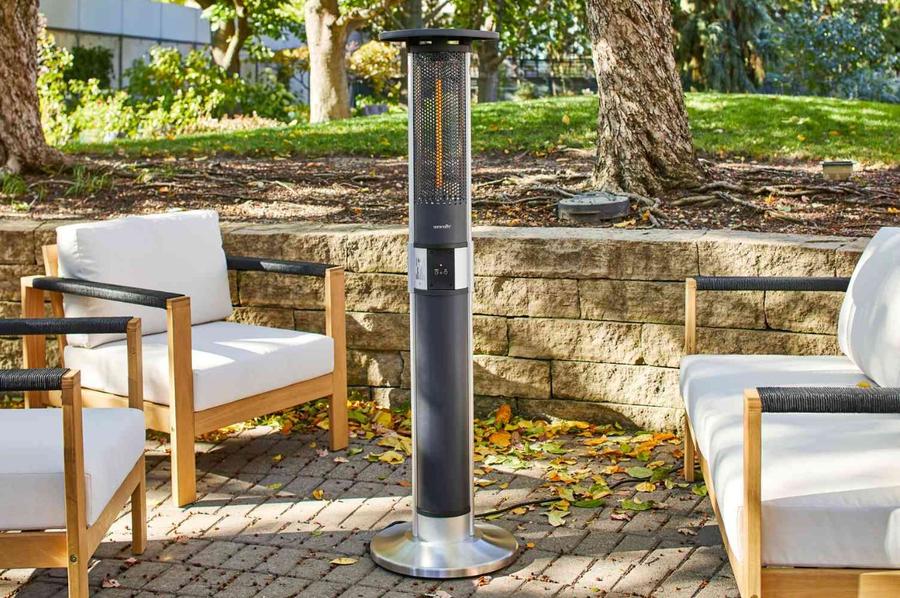
The central air conditioning system is built around a network of air ducts. The cooled air passes through filtration and is then distributed throughout the rooms. The compressor, evaporator and condenser work as a single unit. The air flow is regulated, but not always flexibly.
The split system works differently. The indoor unit processes the air in a specific area. The outdoor unit is responsible for heat transfer. The air ducts are completely missing. This simplifies installation and reduces infrastructure requirements. However, it is the ducts that become the weak link. In case of leaks, energy losses can reach 30%. This directly reduces cooling efficiency and increases operating costs.
Energy Efficiency And Zoning
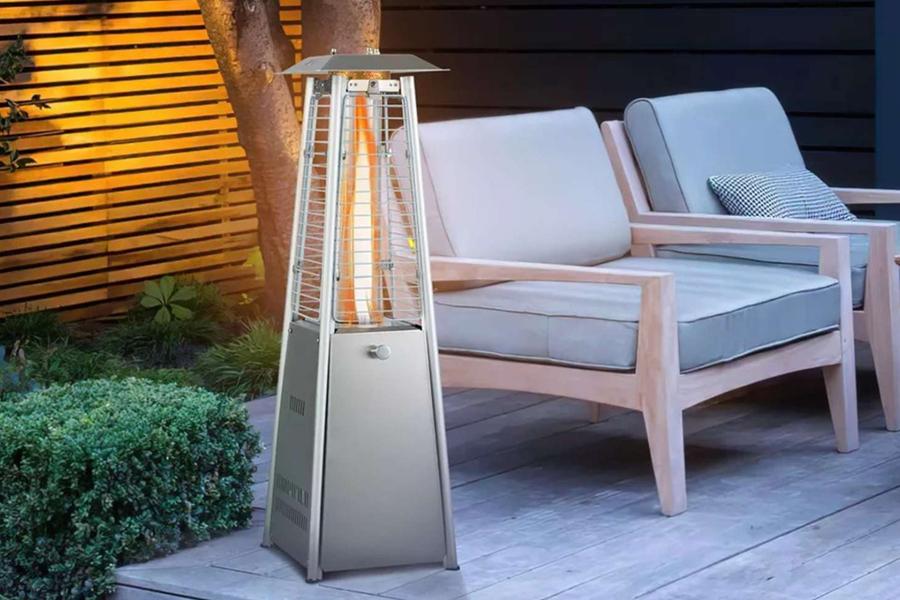
Energy efficiency is not limited only to electricity consumption. It is related to how the system is used. The central system cools the entire volume of the premises. Even those areas where no one is.
The split system offers a different approach. Cooling zoning allows you to turn on only the necessary units. This reduces the load on the system. As a result, energy consumption can be reduced by up to 40%. But there is a caveat. In large houses, the number of indoor units is increasing. This leads to increased system maintenance costs. The balance between convenience and cost is becoming a key factor.
Maintenance, Pollution And Air Quality
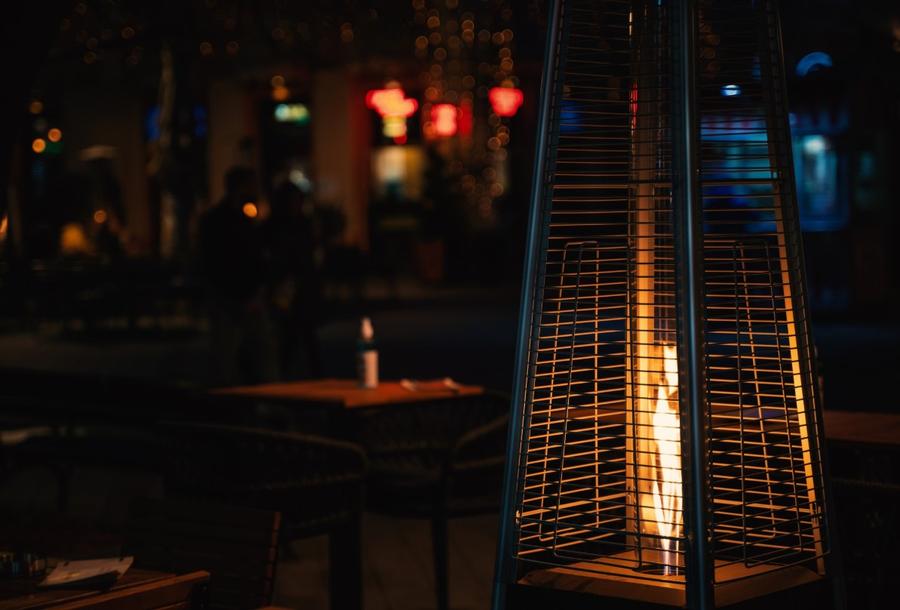
Indoor air quality is rarely perceived as a problem. Until symptoms appear. Dust, bacteria, and mold accumulate inside the equipment. This happens especially quickly in humid conditions. The split system requires regular maintenance. The filters are cleaned every 4-6 weeks. Full maintenance is required every 3-4 months. The process itself takes from 45 to 90 minutes per block.
The central system requires a more complex approach. Duct cleaning is carried out every 2-3 years for commercial facilities. In residential buildings once every 3-5 years. However, the procedure itself can take up to 3 days.
Different methods are used. Mechanical cleaning, negative pressure, robotic processing. All this is aimed at removing pollutants and restoring air flow. But the main risk is not pollution per se. The central system distributes air throughout the building. If there are bacteria or mold inside, they spread everywhere. This affects the health of all residents at the same time.
Productivity, Service Life And Climatic Load
System performance depends not only on power. The operating conditions are important. The hot climate, high humidity and constant dust create additional stress. The split system handles local tasks. It is effective in small spaces. The central system works better in large spaces. It provides a stable microclimate.
The service life is also different. Central systems have been operating for an average of 12-15 years. Split systems are about 10-12 years old. But without regular maintenance, these figures decrease.
Ultimately, choosing a system is not just a matter of price. This is a combination of factors: building infrastructure, usage mode, air quality requirements, and temperature control level. Making a mistake in choosing leads to higher costs, lower efficiency, and worse living conditions.

Surfer, doer, hiphop head, hand letterer and identity designer. Operating at the sweet spot between minimalism and computer science to save the world from bad design. My opinions belong to nobody but myself.