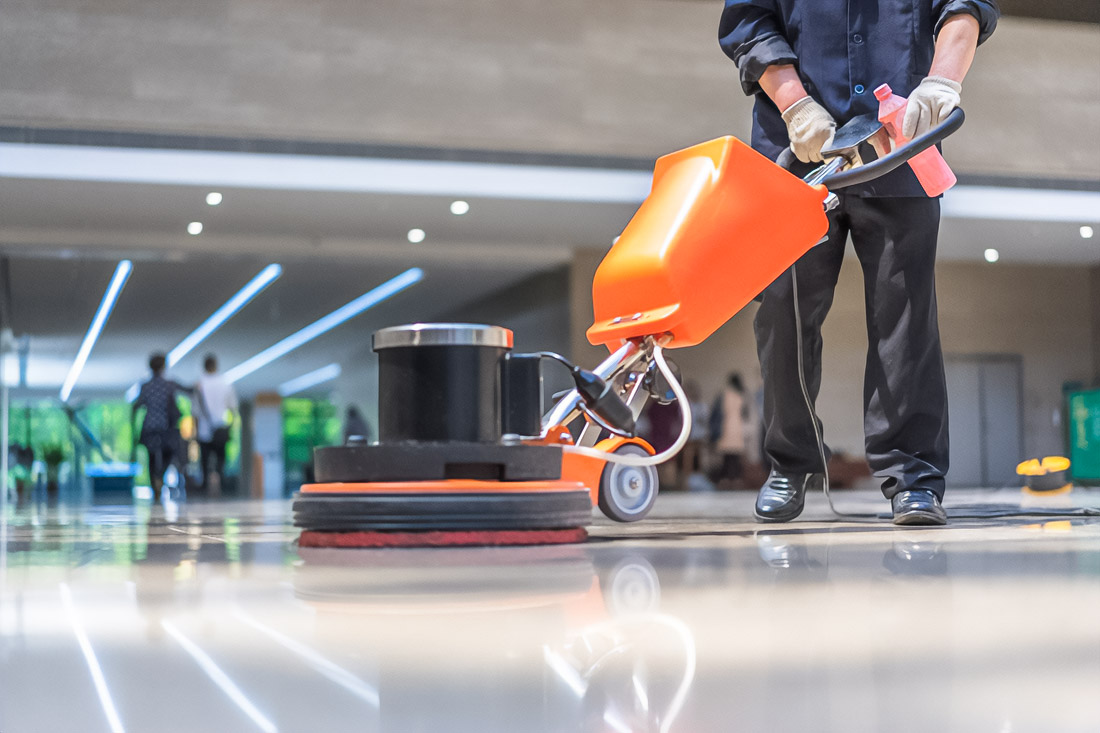
A data center is a technological facility that requires strict cleanliness and safety regulations. Even microscopic dust increases the likelihood of failures, and the cost of an hour of downtime can reach £400,000. Regular cleaning and maintenance by a commercial cleaning company are considered an essential part of infrastructure management, not a secondary option.
ISO Standards and Environment Settings

The basic guideline is ISO 14644-1 Class 8. The standard specifies the maximum levels of particles in the air, up to 3,520,000 particles with a size of at least 0.5 microns and up to 29,300 particles with a size of at least 5 microns per cubic meter. Compliance with these limits reduces the risks of overheating, short circuits and electrostatic discharge, as well as reduces the number of hidden defects associated with corrosion and contamination of contact groups.
Electrostatic Discharge and Antistatic Measures
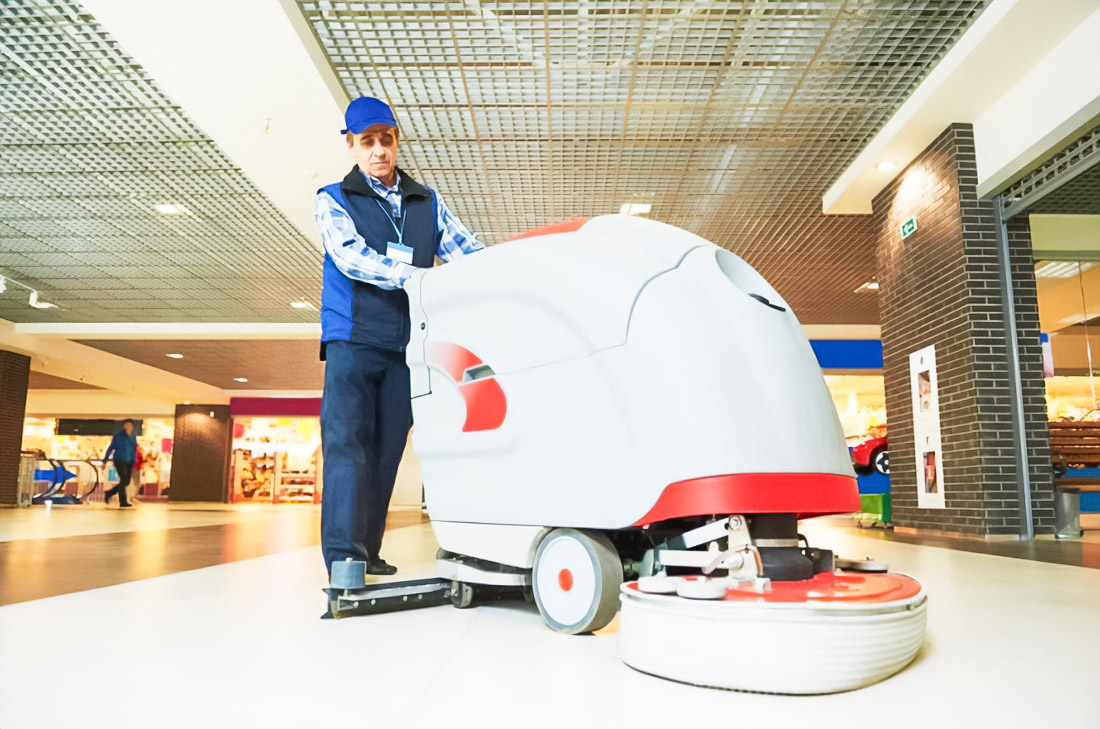
ESD is considered as a critical risk factor. To reduce the likelihood of discharges, antistatic materials and tools are used, including vacuum cleaners with HEPA filtration, antistatic mops, gloves, mats and shoes. HEPA filters retain particles of the order of 0.3 microns, which prevents repeated aerosol contamination. It is recommended to maintain relative humidity in the range of 40-60 percent and a temperature of 18-27 ° C, which reduces the accumulation of static charge and stabilizes the operation of electronics.
Air Flow and Heat Risk Management

Violation of aerodynamics leads to thermal clogging, dust settles on fans and heat sinks, convection worsens and energy consumption increases. Maintenance practices include regular cleaning of HVAC systems, timely replacement of filters, cleaning of diffusers and control of flow distribution. ASHRAE’s recommendations confirm that temperature and humidity stability prolongs the service life of server equipment and reduces the likelihood of emergency shutdowns.
Underground Spaces and Cable Infrastructure

The area under the raised floor belongs to the areas of increased risk of accumulation of dust and moisture. Structured cable routes, vacuum cleaning under the raised floor and correct labeling of lines are required. Proper installation and fixing of cables improves access for maintenance, prevents insulation wear and does not interfere with air flow, which reduces the likelihood of local overheating.
Quality Control and Documentation
The comprehensive service program is based on digital audits and quality procedures consistent with ISO 9001 and ISO/IEC 20000. Each session is accompanied by measurements of particle concentration, temperature and humidity, as well as a list of completed works. Based on the results, a certificate of conformity is issued, valid for 12 months, which is used for internal audits and external audits.
Energy Efficiency and Sustainable Practices
A clean operating environment increases energy efficiency. Equipment operating under controlled conditions demonstrates an increase in service life to tangible values. Professional air purification systems can reduce the proportion of airborne pollutants by approximately 94 percent and reduce microbial load by up to 99.99 percent, which improves air quality and reduces the load on HVAC.
Staff Training and Work Safety
The technical staff undergoes structured training programs that cover at least 58 thematic categories, including dust control, ESD-safety and occupational safety. Personal protective equipment is mandatory, and the list includes antistatic shoes, gloves, and protective robes. The work is carried out in accordance with HSE and NFPA 75 requirements, which ensures safety during operations in electrical engineering areas.
Preventive Maintenance Cycle
Daily procedures cover high traffic areas and frequent contact surfaces. Weekly activities include selective cleaning of the underflora spaces and inspection of HVAC components. The quarterly program provides for deep cleaning of cooling systems and filters, and once a year, air purity is validated according to ISO 14644-3. This cycle reduces the likelihood of downtime and reduces the frequency of emergency events.
Up to 70 percent of failures in IT environments are attributed to pollution. Preventive cleaning is cheaper than the consequences of downtime and restoration work. The systematic organization of procedures, the use of ESD-safe tools, the maintenance of humidity and temperature regulations, as well as an ISO-compliant control program create a predictable and reliable operating environment for the data center.

Surfer, doer, hiphop head, hand letterer and identity designer. Operating at the sweet spot between minimalism and computer science to save the world from bad design. My opinions belong to nobody but myself.